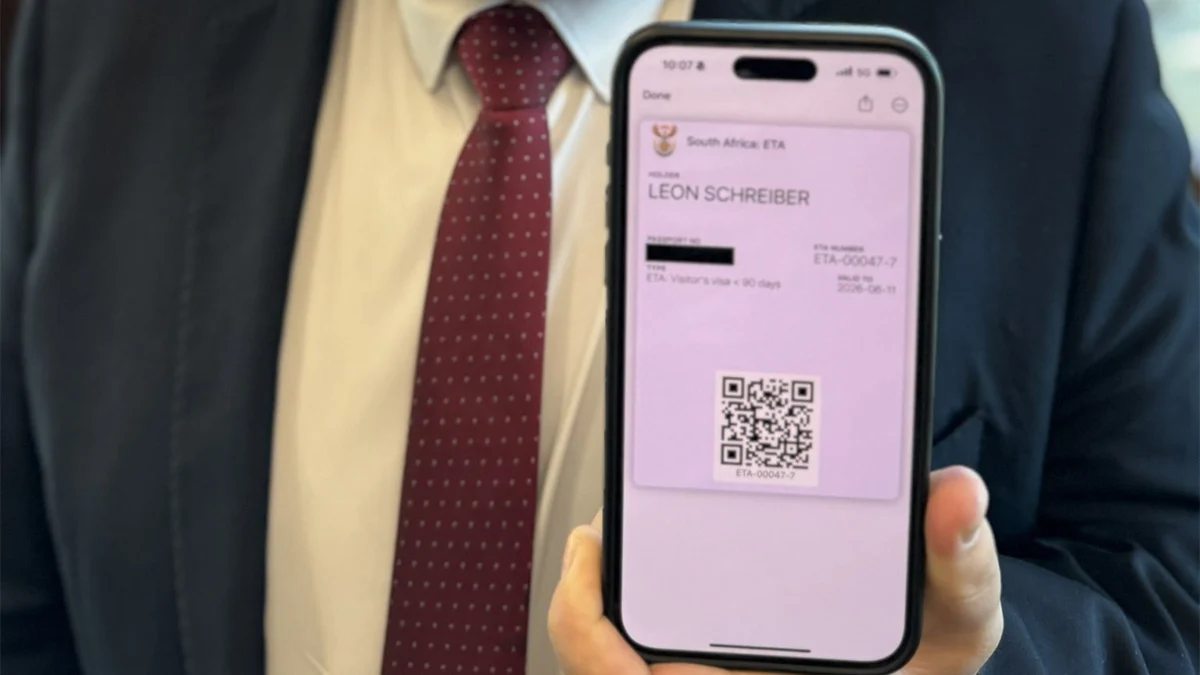
MyMzansi Digital ID in 2026: What You Need to Know Before You Start
The MyMzansi Digital ID 2026 process is designed to make identity verification easier, faster, and more secure for South Africans. As government services continue moving online, digital identity systems are becoming central to accessing opportunities, services, and public benefits.
Before applying for your MyMzansi Digital ID 2026, it is important to understand what it is — and what it is not.
The official identity authority in South Africa remains the Department of Home Affairs (DHA). According to updates published on www.gov.za, the Smart ID card and digital verification systems form the foundation of South Africa’s broader digital identity strategy.
MyMzansi Digital ID 2026 should always align with official government systems. If you are unsure about identity processes, always verify through Gov.za or official Home Affairs communication.
📱 Step-by-Step: How to Get Your MyMzansi Digital ID in 2026
This guide is structured for mobile users. Follow each step carefully.
Step 1: Confirm You Qualify
Before starting the MyMzansi Digital ID 2026 process, confirm that you:
- Are a South African citizen or permanent resident
- Have a valid South African ID number
- Are registered with Home Affairs
- Have updated personal details
If you still use a green bar-coded ID book, you may first need to upgrade to a Smart ID card.
According to Gov.za, Smart ID cards are now the standard identity document issued to new applicants.
Step 2: Ensure Your Home Affairs Records Are Updated
Your MyMzansi Digital ID 2026 relies on accurate DHA records.
Make sure:
- Your ID number is correct
- Your contact details are current
- Your biometric information is up to date
- Your Smart ID card is valid
You can confirm your identity status via official DHA channels.
Step 3: Access the Official Digital Platform
Always use verified sources.
Check:
- www.gov.za
- Department of Home Affairs website
- Official MyMzansi platform (if applicable)
Never use links shared via WhatsApp, Facebook comments, or unknown SMS messages.
E-E-A-T Reminder: Government identity services are never activated through private messaging apps.
ALSO READ MyMzansi vs gov.za: What’s the Difference 2026?
Step 4: Register Your Profile
On the official platform:
- Enter your ID number
- Verify your mobile number
- Confirm OTP (One-Time Pin)
- Create secure login credentials
Use a strong password. Avoid public Wi-Fi when registering.
Step 5: Complete Identity Verification
The MyMzansi Digital ID 2026 system may require:
- Biometric verification
- Facial recognition
- One-time secure validation
This aligns with South Africa’s digital transformation plan referenced in Presidency communications regarding e-government expansion.
Verification ensures your digital identity is secure and protected from fraud.
Step 6: Upload Required Documents (If Requested)
You may need to upload:
- Copy of Smart ID card
- Proof of residence
- Supporting documentation
Ensure documents are:
- Clear
- Certified (if required)
- Uploaded in the correct format
Incomplete uploads can delay approval.
Step 7: Confirmation & Activation
Once approved, you will receive confirmation via:
- SMS
- Official dashboard notification
Keep this confirmation secure.
Do not share login credentials with anyone.
🔐 Why Security Matters in MyMzansi Digital ID 2026
Digital identity systems protect:
- Personal information
- Banking access
- Government services
- Social benefits
According to official digital governance goals referenced by the Presidency, secure digital identity systems reduce fraud and improve public service efficiency.
Always:
- Use official websites
- Avoid unofficial third-party agents
- Never pay “activation” fees
Government digital services are not sold privately.
📲 Mobile-First Tips for Applying
Since most users access services via smartphone:
✔ Use a stable internet connection
✔ Avoid switching apps during OTP verification
✔ Keep your battery charged
✔ Use updated browser versions
✔ Screenshot confirmation pages
Short sessions are better than rushing through long forms.
⚠ Common Mistakes to Avoid
❌ Using unofficial links
❌ Paying “fast-track” fees
❌ Uploading blurry documents
❌ Sharing OTP codes
❌ Using someone else’s phone for verification
If unsure, confirm details via Gov.za.
🏛 Official Sources for Verification
For authoritative information about identity systems, always consult:
- www.gov.za
- Department of Home Affairs official website
- Presidency announcements on digital transformation
These official sources improve trust, accuracy, and search authority.
Frequently Asked Questions (FAQs).
Is MyMzansi Digital ID 2026 replacing the Smart ID card?
No. The Smart ID card remains the official government-issued identification document.
Is the MyMzansi Digital ID 2026 mandatory?
Currently, digital identity systems are part of ongoing digital service expansion. Always verify official requirements through DHA.
Can I apply without a Smart ID card?
In most cases, a Smart ID card or updated DHA record is required.
How long does approval take?
Processing times vary depending on verification requirements.
Where can I confirm updates?
Always check official announcements on Gov.za.
Final Thoughts: Should You Get Your MyMzansi Digital ID in 2026?
Digital identity systems are becoming central to how South Africans access services, apply for opportunities, and verify credentials online.
The MyMzansi Digital ID 2026 process aims to streamline access while improving security.
However, always remember:
Official identity authority rests with the Department of Home Affairs.
Before submitting personal details, confirm information via trusted government sources.
Digital access is powerful — but security and verification come first.

Sizwe Xaba is a South African Government Services Researcher and Public Information Writer who focuses on simplifying official processes related to social grants, identity documents, and government support programs. He specializes in researching and explaining updates from agencies such as the South African Social Security Agency (SASSA), the Department of Home Affairs, and other public institutions to help citizens access essential services more easily.
Through his work on MyMzansiGuide, Sizwe provides clear, practical guides covering topics such as SASSA SRD grants, payment dates, status checks, Home Affairs services, and other government updates affecting South Africans. His articles are designed to break down complex policies into step-by-step information that readers can quickly understand and apply.
Sizwe’s research is based on verified information from official government sources, including SASSA, Gov.za, and the Department of Home Affairs, ensuring that readers receive accurate and up-to-date guidance.
His goal is to make government services more accessible by delivering reliable, easy-to-follow information that helps South Africans navigate important applications, benefits, and public services with confidence.
Sources & References
Sizwe’s articles are researched using information from official government platforms, including:
SASSA (South African Social Security Agency)